Why Kilimanjaro?
Mount Kilimanjaro rises alone above the plains near Moshi in northern Tanzania. It is a UNESCO World Heritage Site and one of the Seven Summits, the highest mountains on each continent. What makes Kilimanjaro special is that it can be climbed without technical equipment or mountaineering experience: you walk to the Roof of Africa. That accessibility, and the journey through distinct climate zones from farmland and rainforest to alpine desert and the glaciers of the summit, draws tens of thousands of trekkers every year.
The Seven Routes Compared
Machame Route — 6–7 Days
The most popular route, known as the “Whiskey Route”. Machame offers superb scenery, good acclimatisation through its “climb high, sleep low” profile and the exciting scramble up the Barranco Wall. It approaches from the south and descends via the Mweka route. We recommend the seven-day version for better acclimatisation.
Lemosho Route — 7–8 Days
Often considered the most beautiful route, Lemosho starts in the west through quiet rainforest, crosses the Shira Plateau and joins the Machame route near the Lava Tower. Its length allows excellent acclimatisation, and for those with the time it is our top recommendation.
Marangu Route — 5–6 Days
Known as the “Coca-Cola Route”, Marangu is the only route with hut accommodation instead of tents. It is often seen as the easiest route, but the five-day version allows little time to acclimatise. We strongly recommend the six-day version, with an extra acclimatisation day at Horombo Huts.
Rongai Route — 6–7 Days
Approaching from the north near the Kenyan border, Rongai is quieter and drier than the southern routes, which makes it a good choice in the rainy months. The landscape is open and wild, with views across the plains towards Kenya.
Northern Circuit — 8–9 Days
The longest route on Kilimanjaro circles the remote northern slopes of the mountain. Its length gives the best acclimatisation of any route, it is the least crowded, and the views change constantly as you traverse the mountain.
Umbwe Route — 6–7 Days
The steepest and most direct route, Umbwe is best suited to experienced, very fit trekkers. It climbs quickly through dense forest before joining the southern circuit at Barranco Camp. Because of the rapid gain in altitude, we recommend adding an extra acclimatisation day.
Shira Route — 7–8 Days
The Shira route begins high on the Shira Plateau, at about 3,600 metres, so climbers start at altitude without the gradual approach of other routes. It then follows the same path as Lemosho.
What Does It Cost?
The cost of a climb depends on the route, the number of days, the size of your group and the level of service. Park fees make up a large part of the total, and the rest covers guides, porters, cooks, food, equipment and transfers. Choose an operator that pays and equips its crew fairly, follows proper safety procedures and employs licensed guides — this is not a trip to book on price alone. Contact us for a detailed quote for your preferred route and dates.
Essential Packing List
Clothing layers: moisture-wicking base layers, a fleece mid-layer, a waterproof jacket and trousers and a warm down jacket for summit night, when temperatures can drop well below freezing. Footwear: broken-in waterproof hiking boots, gaiters and camp shoes. Accessories: warm hat, sun hat, good sunglasses, a headlamp with spare batteries and trekking poles. Health: sunscreen, lip balm with SPF, a personal first-aid kit and any altitude medication your doctor recommends. Other: a 30–40 litre daypack, a 3-litre water capacity, snacks and spare camera batteries, as the cold drains them quickly.
Summit Night: What to Expect
You leave high camp (Barafu Camp or Kibo Hut, depending on your route) around midnight and climb by headlamp. The final ascent to Uhuru Peak usually takes six to eight hours on steep scree and switchbacks, and with wind chill it can feel far below freezing. Tiredness, nausea and breathlessness are normal at this altitude, and your guides will monitor you closely. Reaching the summit sign at 5,895 metres as the sun rises over the glaciers makes every step worthwhile. After photos at the top, you descend to a lower camp the same day.
Combining Kilimanjaro with a Safari
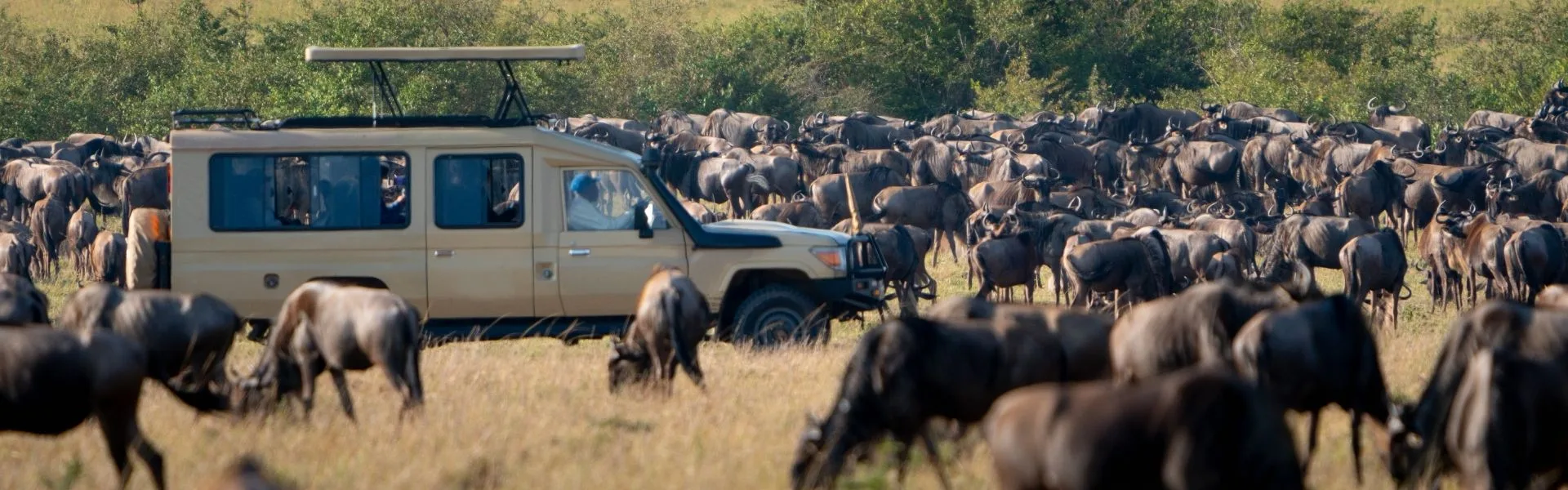
Many of our guests combine a Kilimanjaro climb with a three- to five-day safari in the northern parks, followed by a beach stay on Zanzibar — mountain, wildlife and ocean in a single trip. We recommend at least one rest day between the climb and the safari.