

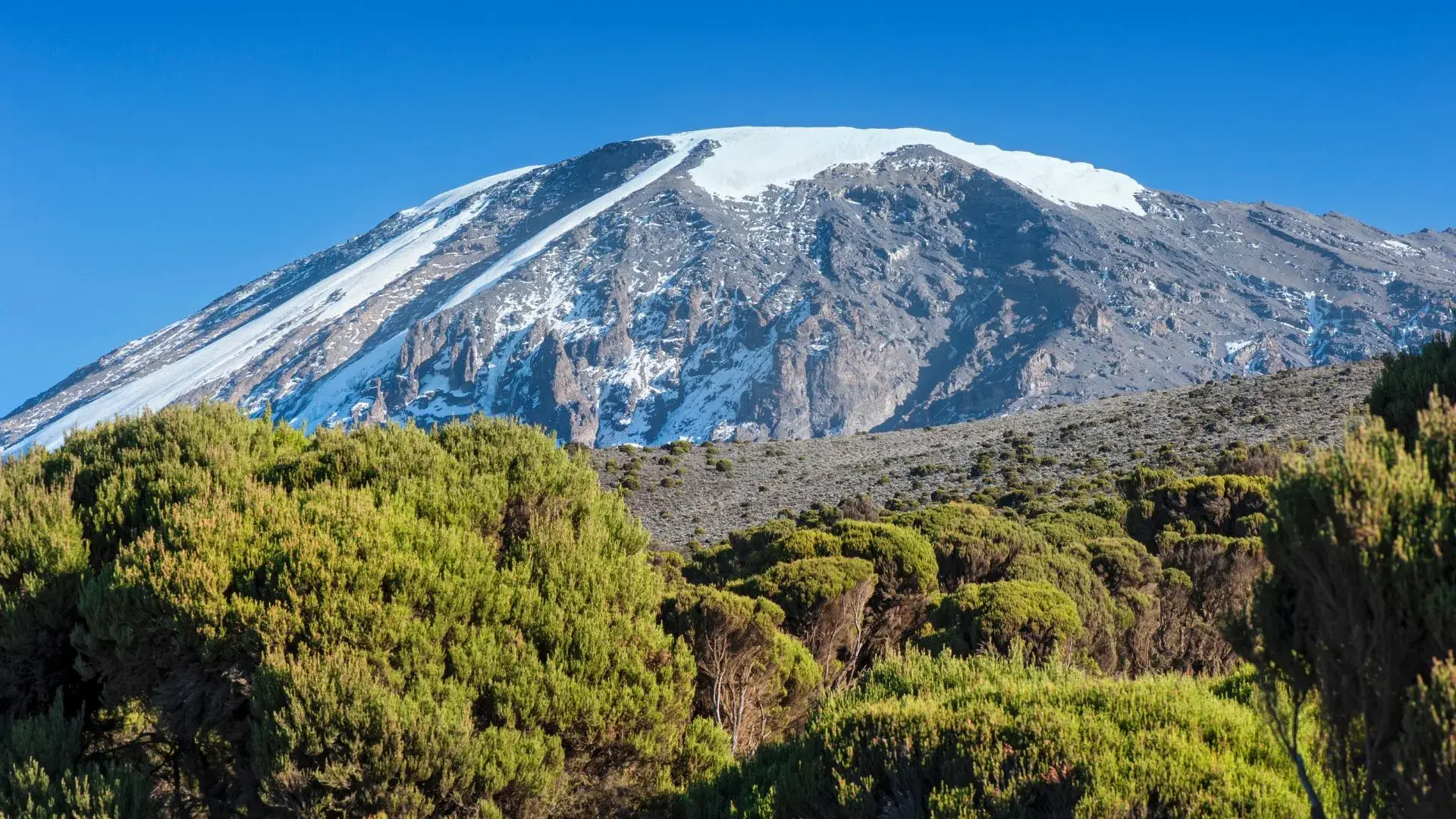
Altitude sickness is the most common reason climbers do not reach the summit of Kilimanjaro, and it can affect anyone, however fit. Uhuru Peak is 5,895 metres high, where each breath holds about half the oxygen it does at sea level. Most climbers feel mild symptoms such as a headache or poor sleep above about 3,000 metres. The good news: a slow climb with enough days lets your body adjust, and a good guide team watches you closely every day.
This guide explains the symptoms, how to prevent altitude sickness, what Diamox does, and when you must turn back. It is general information, not medical advice: talk to a doctor or travel clinic before you climb.
Key takeaways
- Choose a 7 or 8-day route. More days on the mountain is the single biggest thing you can do to prevent altitude sickness.
- Walk slowly ("pole pole"), drink 3 to 4 litres of water a day and tell your guide about every symptom.
- Mild headache and tiredness are common. Confusion, loss of balance or breathlessness at rest are emergencies: go down at once.
- Many climbers use acetazolamide (Diamox) to help acclimatisation. It needs a prescription and a conversation with your doctor.
What is altitude sickness?
As you climb, air pressure falls and every breath carries less oxygen. Your body adapts by breathing faster, making more red blood cells and changing your blood chemistry, a process called acclimatisation. It takes days, not hours. When you climb faster than your body can adapt, you get altitude sickness. There are three forms:
| Condition | What it is | Signs |
|---|---|---|
| AMS (acute mountain sickness) | The common, mild form | Headache plus nausea, loss of appetite, tiredness, dizziness or poor sleep |
| HAPE (high-altitude pulmonary edema) | Fluid in the lungs; life-threatening | Breathlessness at rest, a wet cough, very low energy, blue lips |
| HACE (high-altitude cerebral edema) | Swelling of the brain; life-threatening | Severe headache, confusion, loss of balance (walking like a drunk), drowsiness |
Symptoms to watch for on Kilimanjaro
On most climbs, mild AMS appears around Shira or Barranco camp (3,800 to 3,900 metres) or on summit night. Typical early signs:
- A headache that eases with rest, water or paracetamol
- Feeling sick or not wanting to eat
- Unusual tiredness and broken sleep
- Dizziness or light-headedness
Go down immediately, with a guide, if you notice any of these:
- A headache that does not improve with painkillers and rest
- Vomiting that does not stop
- Confusion, unusual behaviour or difficulty walking in a straight line
- Breathlessness while resting, or a gurgling, wet cough
Descending even 500 to 1,000 metres usually brings fast relief. On a well-run climb your guides check your blood-oxygen level and pulse with a pulse oximeter twice a day and ask how you feel, so problems are caught early. Emergency oxygen is carried for the descent, not to push higher.
How to prevent altitude sickness
1. Choose a longer route
Summit success rates rise sharply with extra days, because extra days mean acclimatisation. A 5-day climb gives your body very little time; 7 or 8 days is far better. Routes such as Lemosho and the Northern Circuit have a gentler altitude profile. Machame on 7 days is a good balance of cost and success.
2. Climb high, sleep low
The best itineraries take you higher during the day and back down to sleep. On the Machame route, for example, you walk up to Lava Tower at 4,600 metres and sleep at Barranco Camp at 3,900 metres. That day is where much of your acclimatisation happens.
3. Walk slowly
"Pole pole", Swahili for "slowly, slowly", is the most repeated phrase on Kilimanjaro. Walk at a pace where you can talk easily, even if it feels too slow on the first days.
4. Drink, eat and rest
- Drink 3 to 4 litres of water a day. Your guides treat or boil water for you.
- Keep eating even when you have no appetite; your body needs the energy.
- Avoid alcohol and sleeping pills on the mountain; they slow your breathing at night.
5. Be honest with your guide
Guides make better decisions when you tell them exactly how you feel. Hiding a headache to reach the summit is the most dangerous thing a climber can do.
Diamox (acetazolamide) on Kilimanjaro
Acetazolamide, sold as Diamox, speeds up acclimatisation and is widely used on Kilimanjaro. A low preventive dose, often 125 mg twice a day starting a day before the climb, is common. It is a prescription medicine: it is not suitable for people with a sulfa allergy and some other conditions, and it has side effects such as tingling fingers and needing to urinate more. Discuss it with your doctor, ideally trying it at home first. Diamox helps you adjust; it does not hide the signs of serious altitude sickness, and it never replaces going down.
Does fitness prevent altitude sickness?
No. Fitness makes the walking days easier and helps you recover, but it does not protect you from altitude sickness. Very fit people who walk too fast are often the first to feel it. Read how hard is Kilimanjaro for training advice.
Who should check with a doctor first
See a doctor before booking if you have heart or lung disease, high blood pressure, sickle cell disease, are pregnant, or have had altitude sickness before. The NHS fitfortravel and the US CDC both have clear advice on high-altitude travel.
Frequently asked questions
At what altitude does altitude sickness start on Kilimanjaro?
Some people feel it from about 2,500 metres, but most mild symptoms appear above 3,000 metres, around Shira Plateau and Barranco Camp, and again on summit night.
How many people get altitude sickness on Kilimanjaro?
Most climbers have at least mild symptoms such as a headache at some point. Serious HAPE or HACE is rare on longer itineraries, especially when guides monitor oxygen levels daily.
Can you die from altitude sickness on Kilimanjaro?
Yes, HAPE and HACE can be fatal if a climber keeps going up. Deaths are rare, and they are prevented by slow itineraries, daily health checks and descending as soon as serious signs appear.
Which Kilimanjaro route is best for acclimatisation?
The 8 or 9-day Northern Circuit and the 8-day Lemosho route give the most acclimatisation. A 7-day Machame climb is the best-value choice for most people.
See our Kilimanjaro climbs with full day-by-day altitude profiles, or read the complete guide to climbing Kilimanjaro.