


Understanding Tanzania's Seasons
The best time to visit Tanzania depends on what you most want to see. Tanzania's climate is broadly divided into a dry season (June to October) and a wet season (November to May). The wet season is split into the short rains (November to December) and the long rains (March to May), with a drier spell in between in January and February. Each period offers a different safari experience, and the best time depends on what you want to see and do.
Dry Season (June – October): Peak Safari Time
The dry season is the most popular time to visit Tanzania, and for good reason. With little rain, vegetation thins out and animals gather around rivers and waterholes, making wildlife much easier to find. In the northern Serengeti, the Great Migration's Mara River crossings usually take place between July and October.
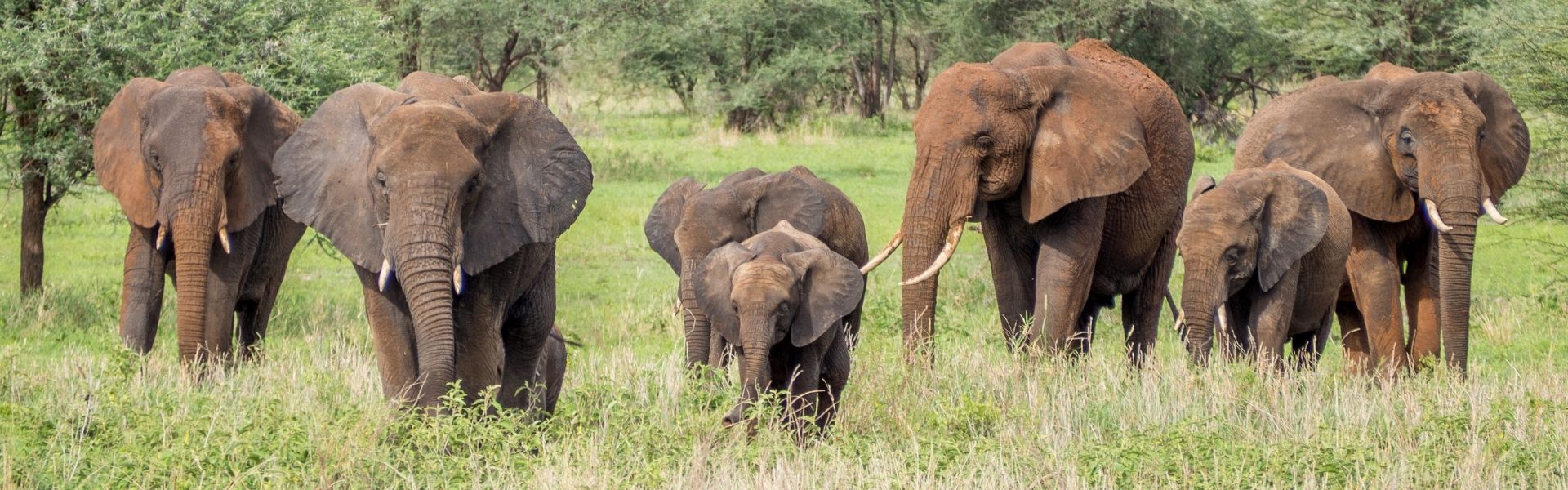
The Ngorongoro Crater is excellent all year, and during the dry season you can often see lion, buffalo, elephant, rhino and hippo within a few hours. Tarangire National Park is at its best from July to October, when large numbers of elephants gather along the Tarangire River.
Considerations: this is peak season, so expect higher prices and busier parks. Book lodges and camps at least six months ahead, especially in the northern Serengeti.
Short Rains (November – December): The Secret Season
November and December are an excellent shoulder season. Rain usually falls as short afternoon showers that refresh the landscape without disrupting game drives. The migration moves south through the eastern Serengeti, and birdlife reaches its peak as migrant species arrive from Europe and Asia. Many lodges offer lower green-season rates while safari conditions remain very good.
Calving Season (January – February)
If you want to see the drama of life on the plains, January and February are hard to beat. The southern Serengeti and the Ndutu area host the calving season, when thousands of wildebeest calves are born each day at the peak. Predators are everywhere, and the flat, open terrain is superb for photography. The weather is warm and often relatively dry between the two rainy seasons.
Long Rains (March – May): The Quiet Green Season
The long rains bring the most rainfall and the fewest visitors. Some remote camps close, but most lodges in the Serengeti, Ngorongoro and the rest of the northern circuit stay open. The landscape turns a vivid green under dramatic skies. Game viewing is still rewarding, as animals don't disappear but spread out more widely. Prices are at their lowest, and you may have large areas to yourself.
Best Time for Kilimanjaro
The best times to climb Mount Kilimanjaro are the drier months from late December to early March and from June to October. Climbs are possible in other months, but expect more rain and cloud, particularly during the long rains of April and May. Longer routes such as Lemosho and Machame (seven or eight days) allow better acclimatisation and give you a better chance of reaching the summit.
Best Time for Zanzibar
Zanzibar's beaches are at their best from June to October and from December to February, which fit well with safari extensions. Underwater visibility for diving and snorkelling is generally best from about October to March, and from roughly October to February whale sharks can be seen around Mafia Island, a short flight south of Zanzibar.
Our Recommendation
For first-time visitors who want the classic safari, we recommend June to October. For repeat visitors or travellers looking for value, the November to December shoulder season and the January to February calving season offer superb experiences at lower prices and with fewer vehicles. Whatever your dates, we will design an itinerary that makes the most of the season.