


The best time to visit Tanzania for a safari is the dry season, from June to October. The grass is short, animals gather at rivers and waterholes, and the Great Migration reaches the Mara River. But Tanzania is a year-round destination, and other months have their own rewards:
- June to October: the classic dry season, with the easiest game viewing and the Mara River crossings.
- January and February: calving season in the southern Serengeti, with newborn wildebeest and lots of predator action.
- November and December: short rains, green landscapes, superb birdlife and lower prices.
- March to May: the long rains, with the fewest visitors and the lowest rates.
This guide shows what each month is like, the best time for each park, Kilimanjaro and Zanzibar, and which safari fits your dates.
Best time to visit Tanzania, month by month
Use this table to find the best month for your safari. Weather patterns are typical and can shift by a few weeks from year to year.
| Month | Weather | Safari highlights |
|---|---|---|
| January | Warm, mostly dry | Calving begins in the southern Serengeti; great for Kilimanjaro |
| February | Warm, mostly dry | Peak calving and predator action around Ndutu |
| March | Long rains begin | Young calves, green plains, fewer visitors |
| April | Wettest month | Lowest prices; quiet parks; some camps close |
| May | Rains ease | Migration moves through the central Serengeti; lush scenery |
| June | Dry, cool mornings | Dry season starts; Grumeti River crossings in the west |
| July | Dry, cool mornings | Excellent game viewing everywhere; first Mara River crossings |
| August | Dry | Peak Mara River crossings; Tarangire's elephant herds |
| September | Dry | Mara River crossings continue; superb game viewing |
| October | Dry, warming up | Last crossings; quieter parks before the rains |
| November | Short rains | Migration heads south; migrant birds arrive; lower rates |
| December | Short rains | Herds reach the southern Serengeti; festive safaris |
Already know your dates? Tell us when you can travel and we will suggest the parks and camps that are best that month.
The best time for what you want to see
- Your first safari: June to October, for the easiest wildlife viewing and dry weather.
- Mara River crossings: August and September in the northern Serengeti. See our wildebeest migration guide for where the herds are each month.
- Baby animals and predators: late January to early March in the southern Serengeti.
- The Big Five: any month in the Ngorongoro Crater. Our guide to the Big Five in Tanzania shows where to find each one.
- Value and quiet parks: November, and March to May.
- Birdwatching: November to April, when migrant birds arrive from Europe and Asia.
- A honeymoon with beach time: June to October, or December to February, when both the parks and Zanzibar are at their best.
Tanzania's safari seasons explained
Dry season (June to October): peak safari time
The dry season is the most popular time to visit Tanzania. With little rain, the bush thins out and animals gather around rivers and waterholes, so wildlife is much easier to find. Days are sunny and pleasant, while early mornings are cool, and the Ngorongoro Crater rim can be cold at night.
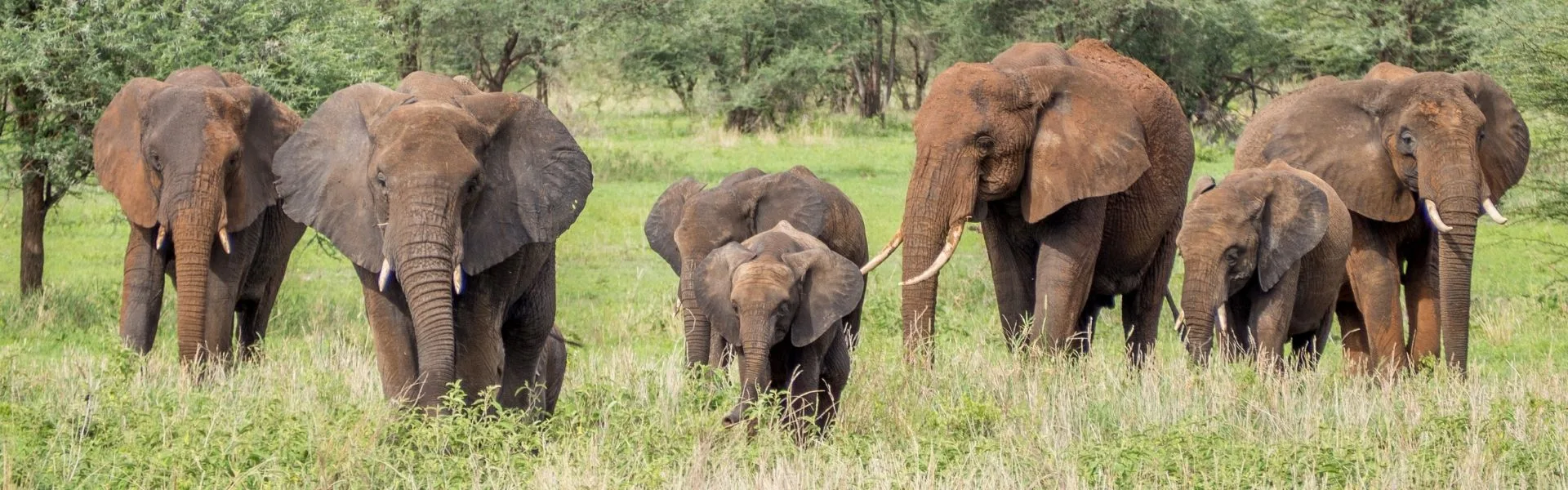
Tarangire National Park is at its best from July to October, when large elephant herds gather along the Tarangire River. In the northern Serengeti, the Mara River crossings usually take place between July and October.
This is peak season, so prices are higher and the parks are busier. Book lodges at least six months ahead, and up to a year ahead for the northern Serengeti in August.
Short rains (November to December): the secret season
November and December are an excellent shoulder season. Rain usually falls as short afternoon showers that freshen the landscape without spoiling game drives. The migration moves south through the eastern Serengeti, and birdlife peaks as migrant species arrive. Many lodges offer lower rates while safari conditions stay very good.
Calving season (January to February)
If you want to see the drama of life on the plains, January and February are hard to beat. The southern Serengeti and the Ndutu area host the calving season, when thousands of wildebeest calves are born each day at the peak. Predators are everywhere, and the open plains are superb for photography. The weather is warm and often fairly dry between the two rainy seasons.
Long rains (March to May): the quiet green season
The long rains bring the most rain and the fewest visitors. Some remote camps close, but most lodges in the Serengeti, Ngorongoro and the rest of the northern circuit stay open. The landscape turns a vivid green under dramatic skies. Animals do not disappear; they simply spread out. Prices are at their lowest, and you may have large areas to yourself.
The best time to visit each park
Each park has its own peak season. All of them are managed by Tanzania National Parks, apart from the Ngorongoro Crater, which has its own conservation authority.
| Park | Best time | Why |
|---|---|---|
| Serengeti | All year | The migration is always somewhere in the park; June to October for crossings, January to February for calving |
| Ngorongoro Crater | All year | Resident wildlife, including black rhino, stays in the crater year-round |
| Tarangire | June to October | Large elephant herds gather at the river in the dry season |
| Lake Manyara | June to October; November to April for birds | Easier game viewing in the dry season; flamingos and migrant birds in the wet season |
| Nyerere and Ruaha | June to October | Southern parks are best when dry; some camps close during the long rains |
| Mahale and Gombe | July to October | Chimpanzee trekking is easier on dry forest trails |
| Katavi | July to October | Remote wilderness where hippos and buffalo crowd the last waterholes |
Best time to climb Kilimanjaro
The best times to climb Mount Kilimanjaro are the drier months, from late December to early March and from June to October. Climbs are possible at other times, but expect more rain and cloud, especially during the long rains of April and May. Longer routes such as the 7-day Machame route and the 8-day Lemosho route allow better acclimatisation and a better chance of reaching the summit.
Best time to visit Zanzibar
Zanzibar's beaches are at their best from June to October and from December to February, so they pair well with a safari. Underwater visibility for diving and snorkelling is generally best from about October to March. See our Zanzibar beaches guide to choose the right coast for your month.
Which safari fits your dates?
- June to October, first safari: the 8-day Ultimate Northern Circuit covers Lake Manyara, Tarangire, three days in the Serengeti and the Ngorongoro Crater.
- Migration months: the 6-day Great Migration Encounter is timed to the herds, with a sunrise balloon flight.
- Short on time, any month: the 5-day Ngorongoro and Tarangire safari.
- Safari and beach: the 7-day Serengeti and Zanzibar honeymoon or the 8-day luxury safari.
Every safari is private, so we adjust the parks and camps to the season you travel in.
Frequently asked questions
What is the best month for a safari in Tanzania?
For most travellers, the best months are July, August and September. The weather is dry, wildlife gathers at water, and the Mara River crossings are at their peak. February is the best month for calving and predators.
What is the cheapest time to go on safari in Tanzania?
April and May, during the long rains, are the cheapest months. November and early December also offer lower rates with good game viewing.
Is the rainy season a bad time for a safari?
No. Rain usually falls in short afternoon showers, the landscape is green, and there are far fewer vehicles. Only April is very wet, and even then most northern circuit lodges stay open.
How far ahead should I book a Tanzania safari?
Book six to twelve months ahead for June to October, especially for the northern Serengeti. For the green season, three to six months is usually enough.
Plan your safari for the right season
There is no wrong time to visit Tanzania, only different experiences. The best time is the one that matches what you most want to see. Tell us your travel dates and interests, and our Arusha-based team will plan a private safari that makes the most of the season.